

Yoga for Beginners at Home: A Simple 21-Day Plan to Build Flexibility, Strength, and Consistency
Starting yoga can feel confusing when you’re new. You might wonder if you’re flexible enough, strong enough, or even doing it “right.” The good news is this: yoga for beginners at home is one of the easiest and safest ways to begin improving your body and mind-without pressure, expensive memberships, or complicated routines.
This guide is designed for people who are starting from zero. No yoga experience. No fancy equipment. No complicated terms. Just a simple, structured 21-day yoga plan for beginners at home that helps you build flexibility, strength, and-most importantly-consistency.
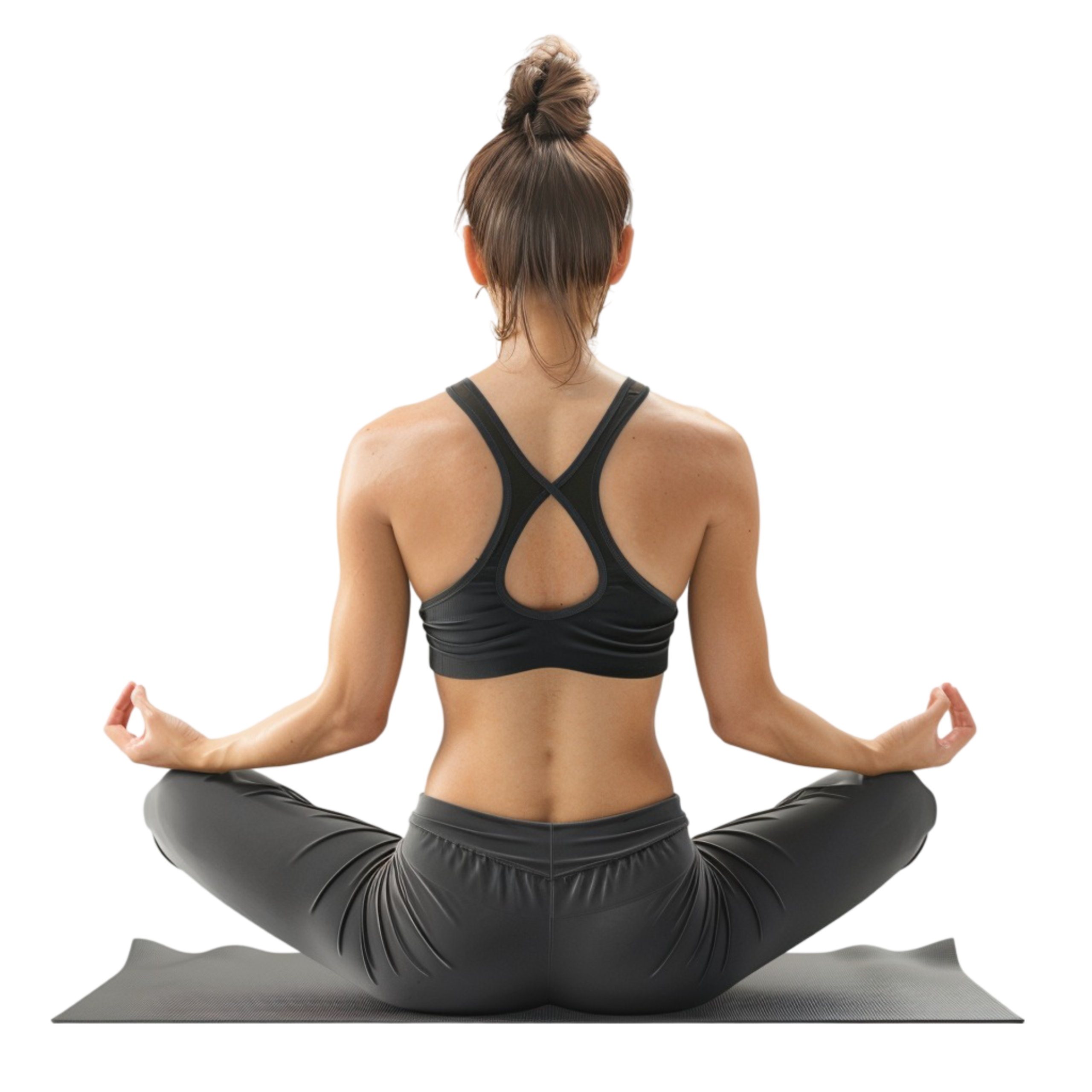
By the end of this article, you’ll understand:
- Why yoga is ideal for beginners at home
- Exactly what you need to start
- How to follow a 21-day beginner yoga routine step by step
- How to stay consistent without burnout
- What results you can realistically expect
If you’ve ever searched for “yoga for beginners at home” and felt overwhelmed by conflicting advice, this article is for you.
Why Yoga for Beginners at Home Works So Well
Yoga has been practiced for centuries, but its popularity today is largely because it adapts easily to modern life. For beginners especially, practicing yoga at home removes many of the barriers that stop people from starting or continuing.
Why Yoga for Beginners at Home Works So Well
One of the biggest myths about yoga is that you need to be flexible before you start. In reality, yoga builds flexibility over time. Beginners often feel stiff because their muscles and joints aren’t used to regular movement. Yoga gently changes that.
When you practice yoga for beginners at home:tips:
- You move at your own pace
- You stop when something feels uncomfortable
- You modify poses easily
There is no competition, no comparison, and no pressure.
Practicing at Home Feels Safer and More Comfortable
Many beginners feel self-conscious in group classes. At home, that fear disappears. You can:
- Practice in comfortable clothes
- Pause when needed
- Repeat simple poses without judgment
This comfort makes it easier to stay consistent, which matters more than perfection.
Short Daily Sessions Actually Work Better
A major reason yoga for beginners at home is effective is consistency. Research and real-world experience both show that short, daily movement improves flexibility and mobility faster than occasional long workouts
Ten to twenty minutes of beginner yoga at home:
- Keeps joints moving
- Builds strength gradually
- Reduces stiffness
- Supports recovery
This is exactly why the 21-day structure works so well.
What You Need to Start Yoga at Home (Beginner Setup)
One of the best things about yoga is how little you need to begin. You don’t need machines, weights, or a lot of space.
Basic Equipment (Optional but Helpful)
For yoga for beginners at home, equipment is optional-not mandatory.
Recommended basics:
- A yoga mat (for grip and comfort)
- Comfortable clothing that allows movement
Optional props:
- A folded towel (acts like a yoga block)
- A pillow or cushion (for support)
- A chair or wall (for balance)
That’s it. No special shoes. No expensive gear.
Choosing the Right Space
You don’t need a large room. A small clear area where you can stretch your arms and legs is enough.
Beginner tips:
- Choose a quiet space if possible
- Use natural light or soft lighting
- Keep distractions away
Creating a simple yoga space helps build a habit.
Best Time to Practice Yoga at Home
There is no perfect time-only the time you can stick to.
Many beginners prefer:
- Morning yoga for energy and stiffness relief
- Evening yoga for relaxation and stress reduction
The key is choosing a time you can repeat daily.
If you want help creating a simple beginner yoga routine that fits your daily schedule, you can get in touch for guidance tailored to your routine.
How This 21-Day Yoga Plan for Beginners at Home Works
This plan is designed to be progressive and realistic. Each week builds gently on the last, helping your body adapt safely.
Why 21 Days Is Ideal for Beginners
A 21-day period is long enough to:
- Form a habit
- See physical improvements
- Build confidence
At the same time, it’s short enough to feel achievable.
Daily Time Commitment
- Week 1: 10–12 minutes
- Week 2: 12–15 minutes
- Week 3: 15–20 minutes
This gradual increase prevents soreness and burnout.
Week 1 – Building the Foundation (Days 1–7)
Week 1 is about learning your body and becoming comfortable with movement.
Goals of Week 1
- Learn basic yoga poses for beginners
- Improve breathing awareness
- Build the habit of daily practice
Beginner Yoga Poses for Week 1
These poses focus on gentle movement and spinal mobility.
Mountain Pose
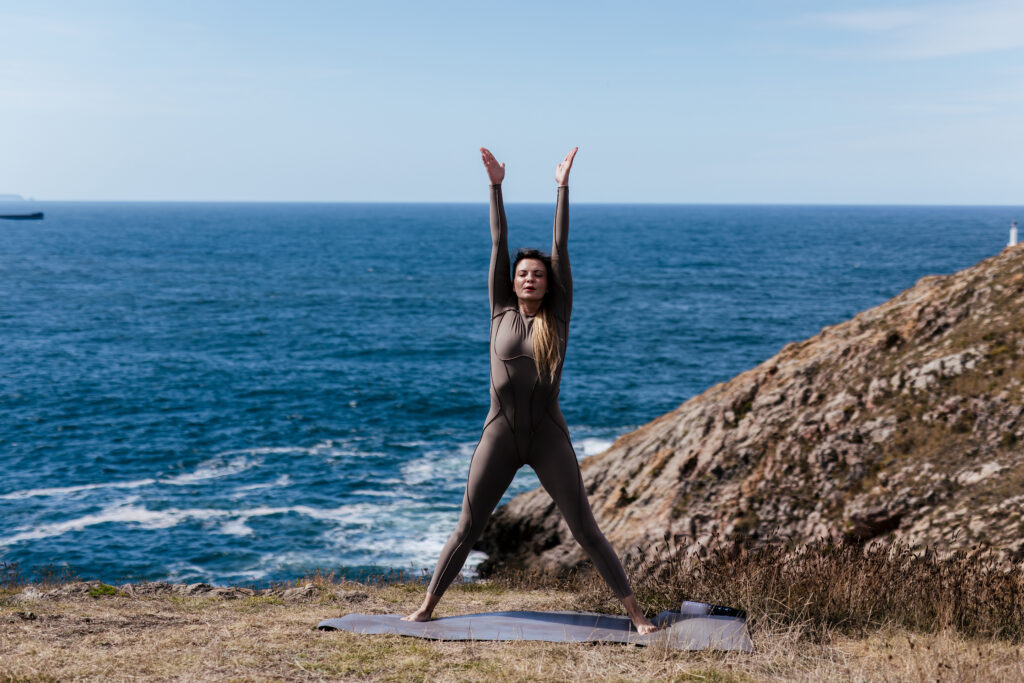
Improves posture and body awareness.
Cat-Cow Stretch
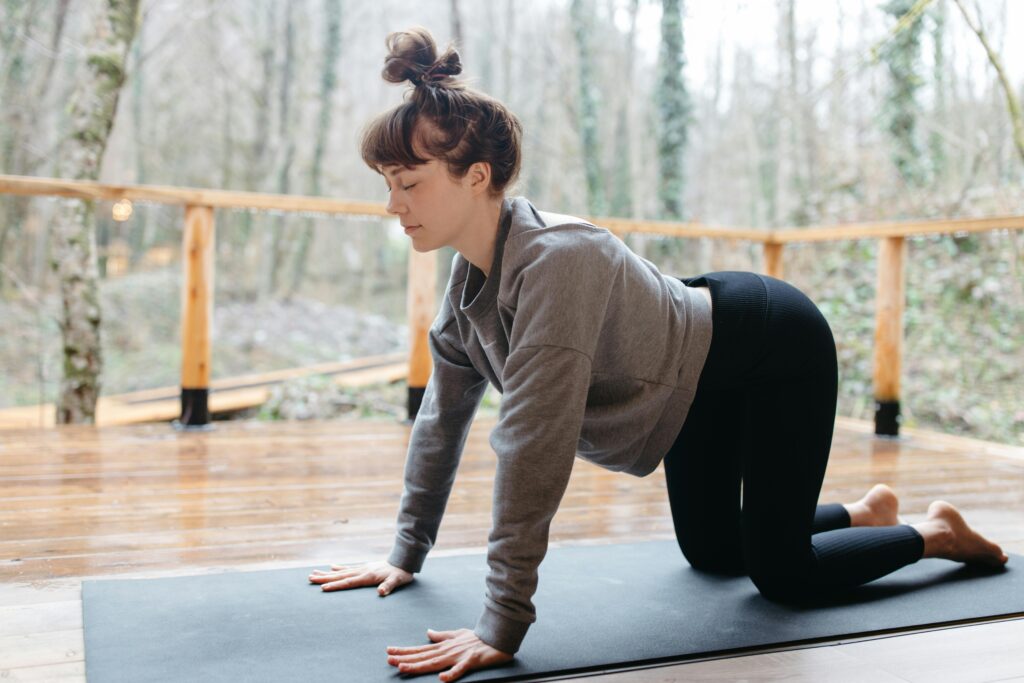
Gently warms the spine and reduces stiffness.
Child’s Pose
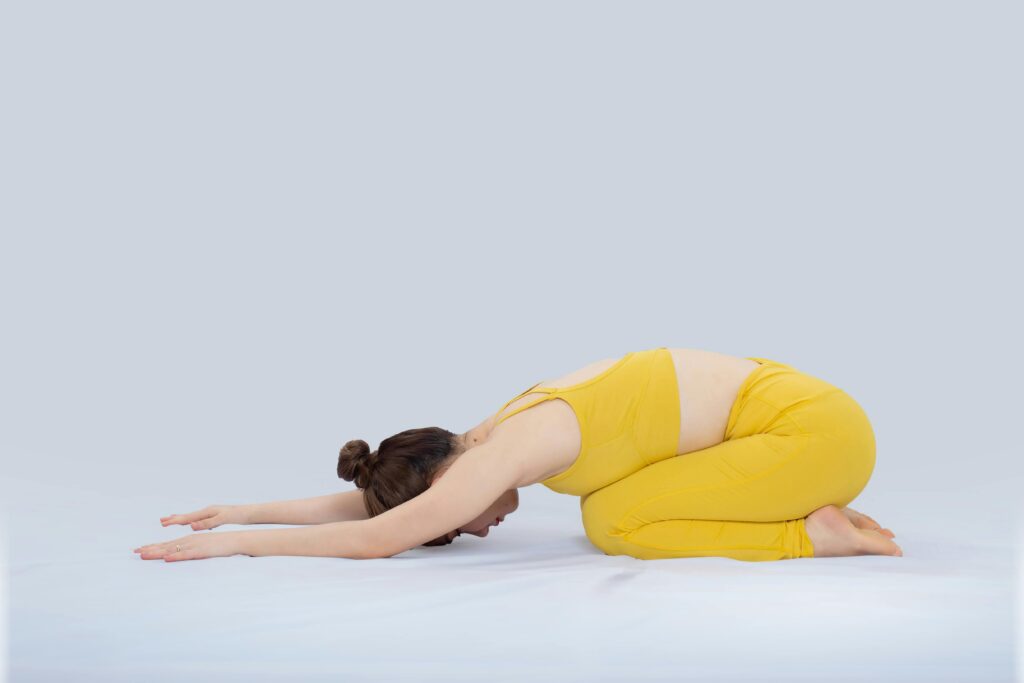
Encourages relaxation and stress relief.
Seated Forward Bend
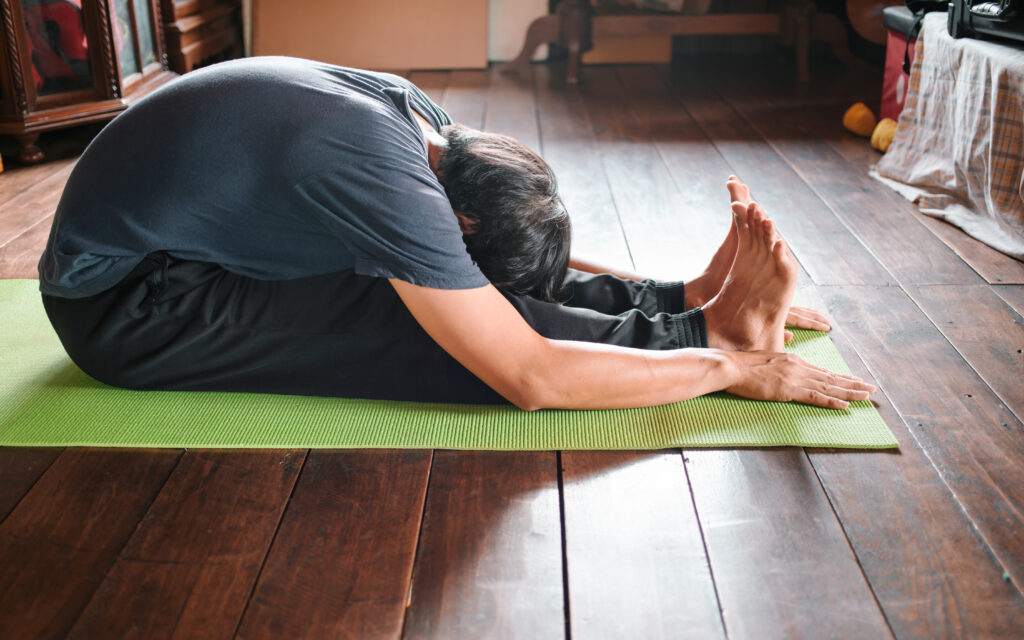
Helps stretch the back and legs gently.
What Beginners Usually Feel in Week 1
It’s normal to feel:
- Mild stiffness
- Increased body awareness
- Slight muscle soreness
These sensations are signs your body is adapting.
Week 2 – Improving Flexibility and Balance (Days 8–14)
By week two, your body starts responding more positively to movement.
Goals of Week 2
- Improve flexibility
- Increase balance and control
- Reduce daily stiffness
Beginner Yoga Poses for Flexibility
Downward Dog (Modified)
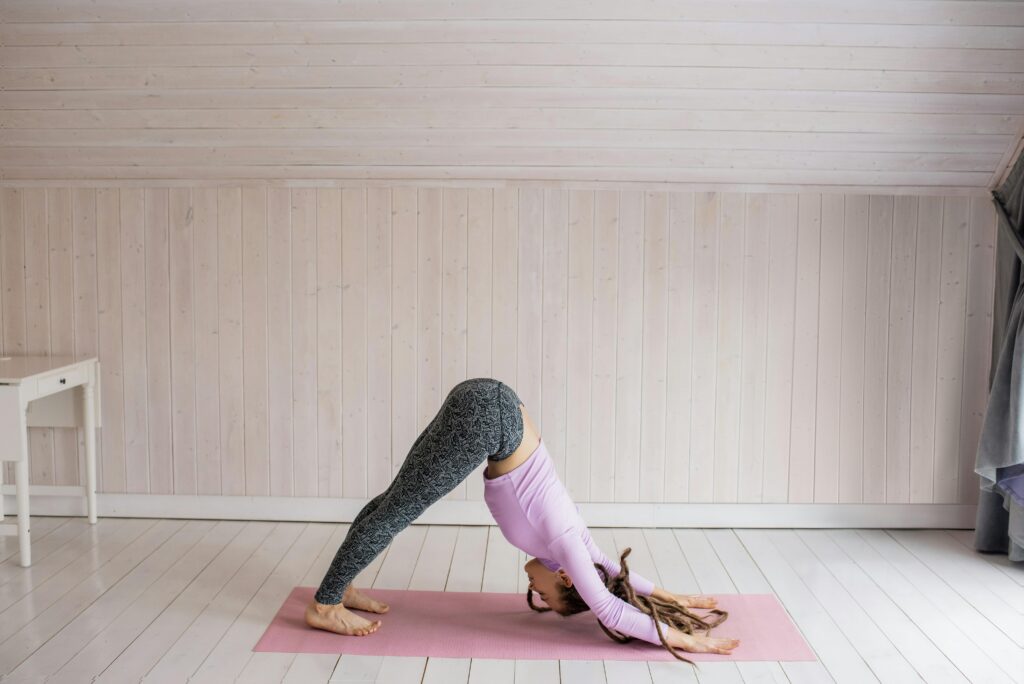
Stretches legs, back, and shoulders.
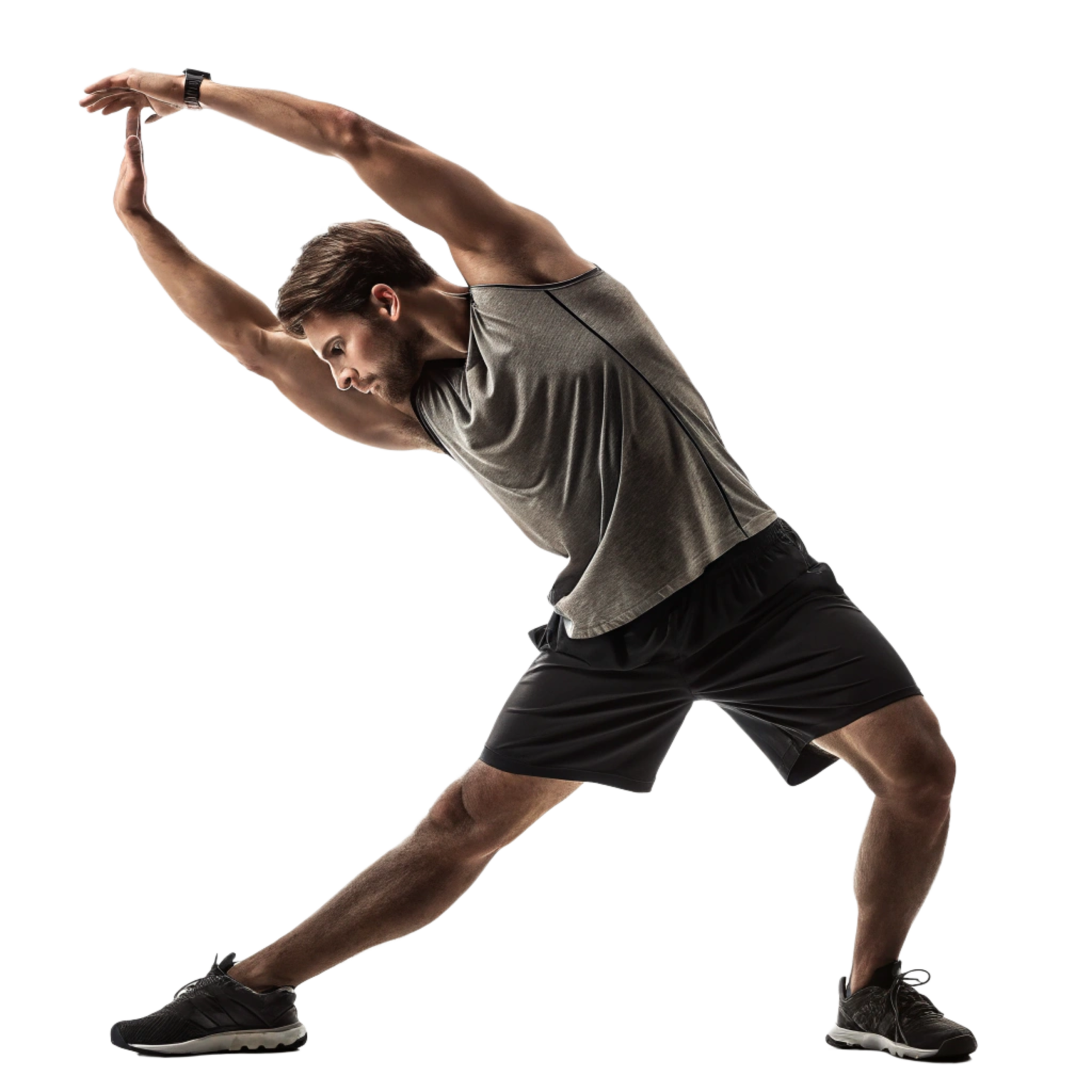
Low Lunge
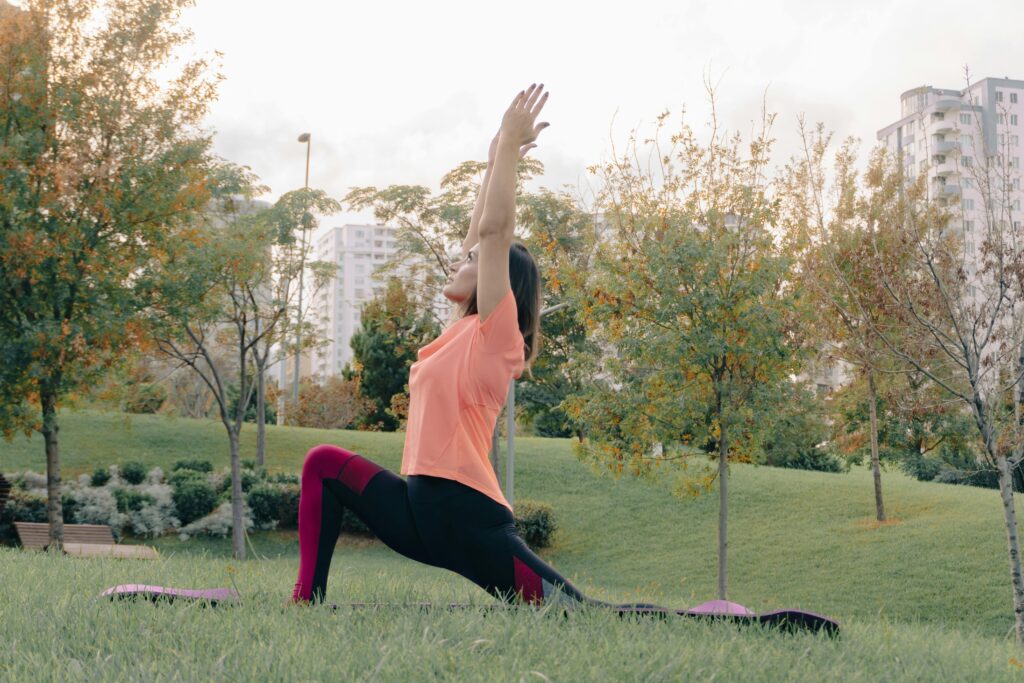
Improves hip flexibility and posture.
Standing Forward Fold
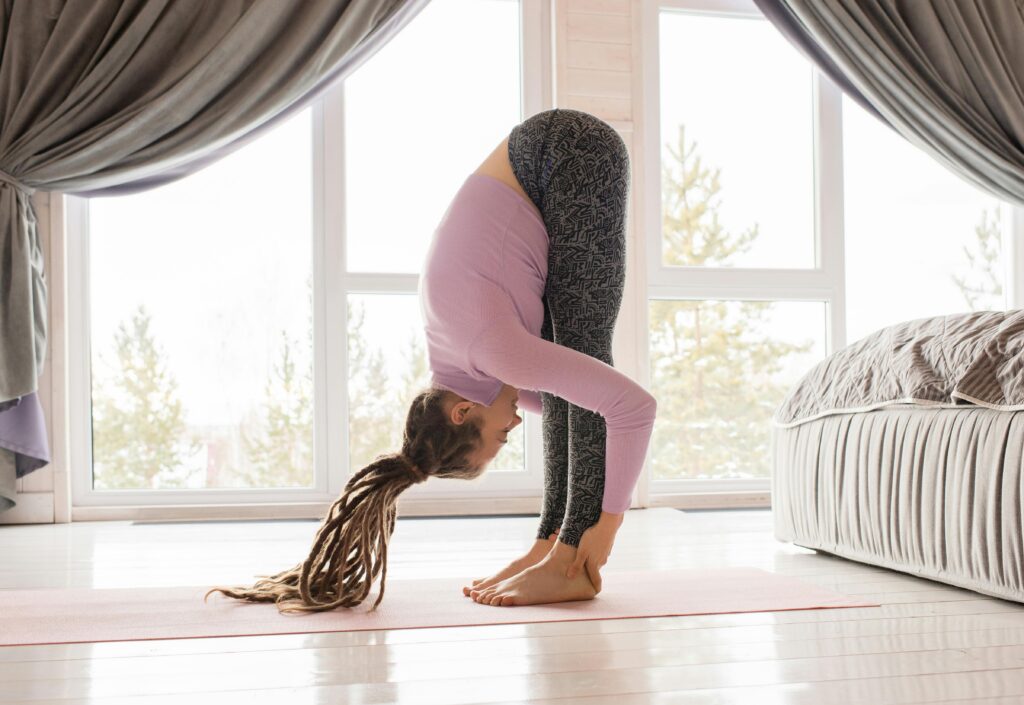
Relieves tension in the spine.
Tree Pose (With Support)
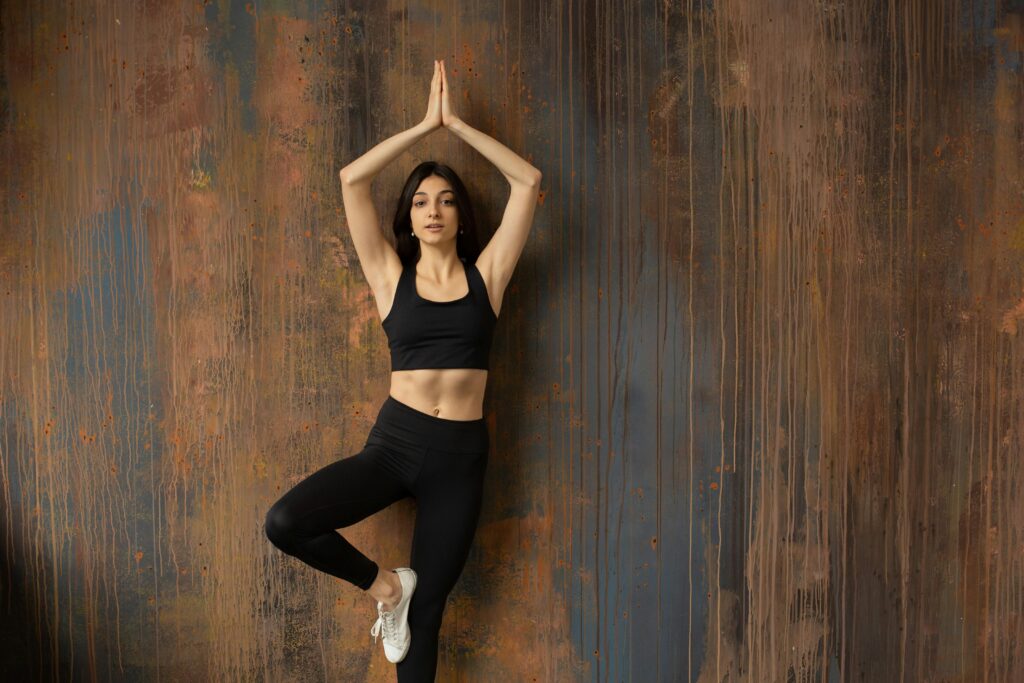
Builds balance and focus.
Changes You May Notice
- Easier movement
- Better posture
- Reduced tightness in hips and back
This is when many beginners realize yoga is working.
Week 3 – Building Strength and Flow (Days 15–21)
The final week introduces gentle strength building while keeping movements controlled.
Goals of Week 3
- Improve muscle strength
- Connect poses smoothly
- Build confidence
Beginner Strength-Building Yoga Poses
Warrior I and II
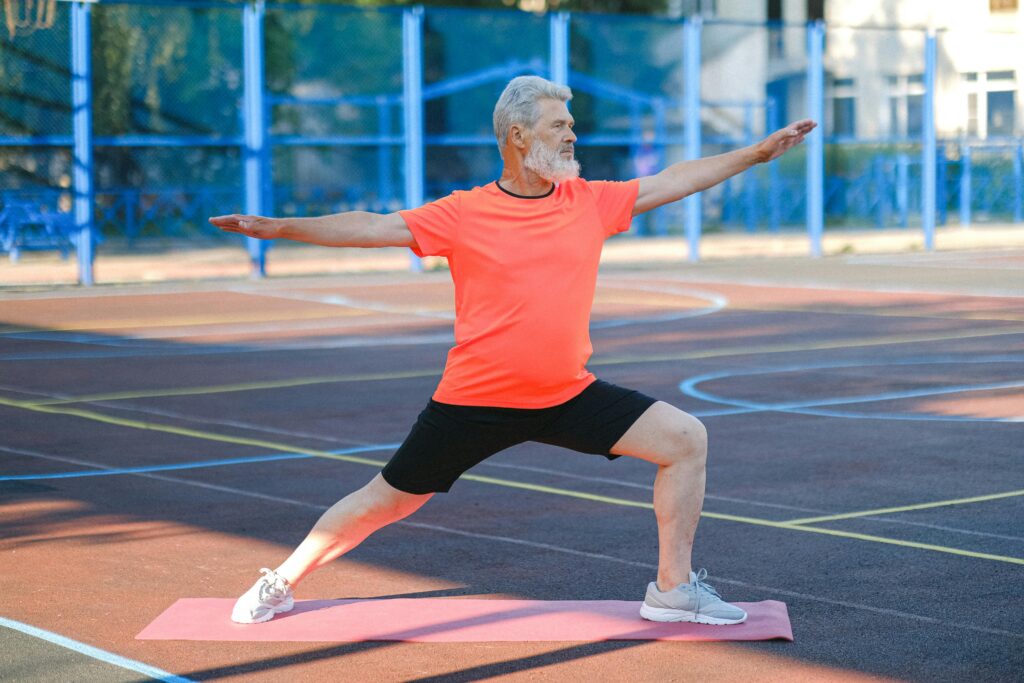
Strengthens legs and improves stability.
Plank (Knees Down)
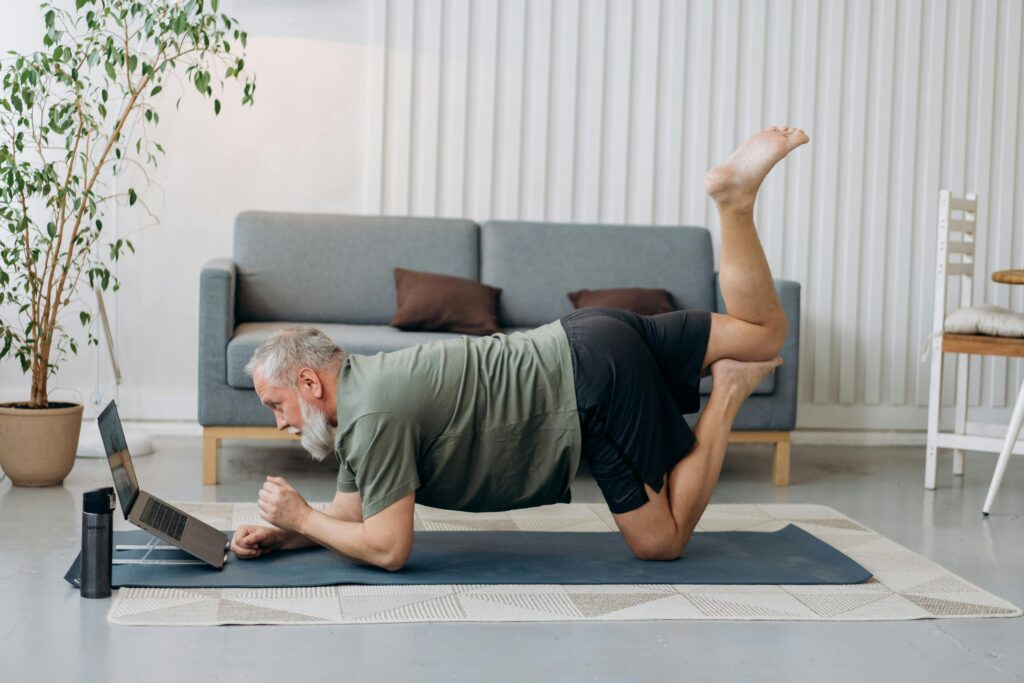
Builds core and arm strength.
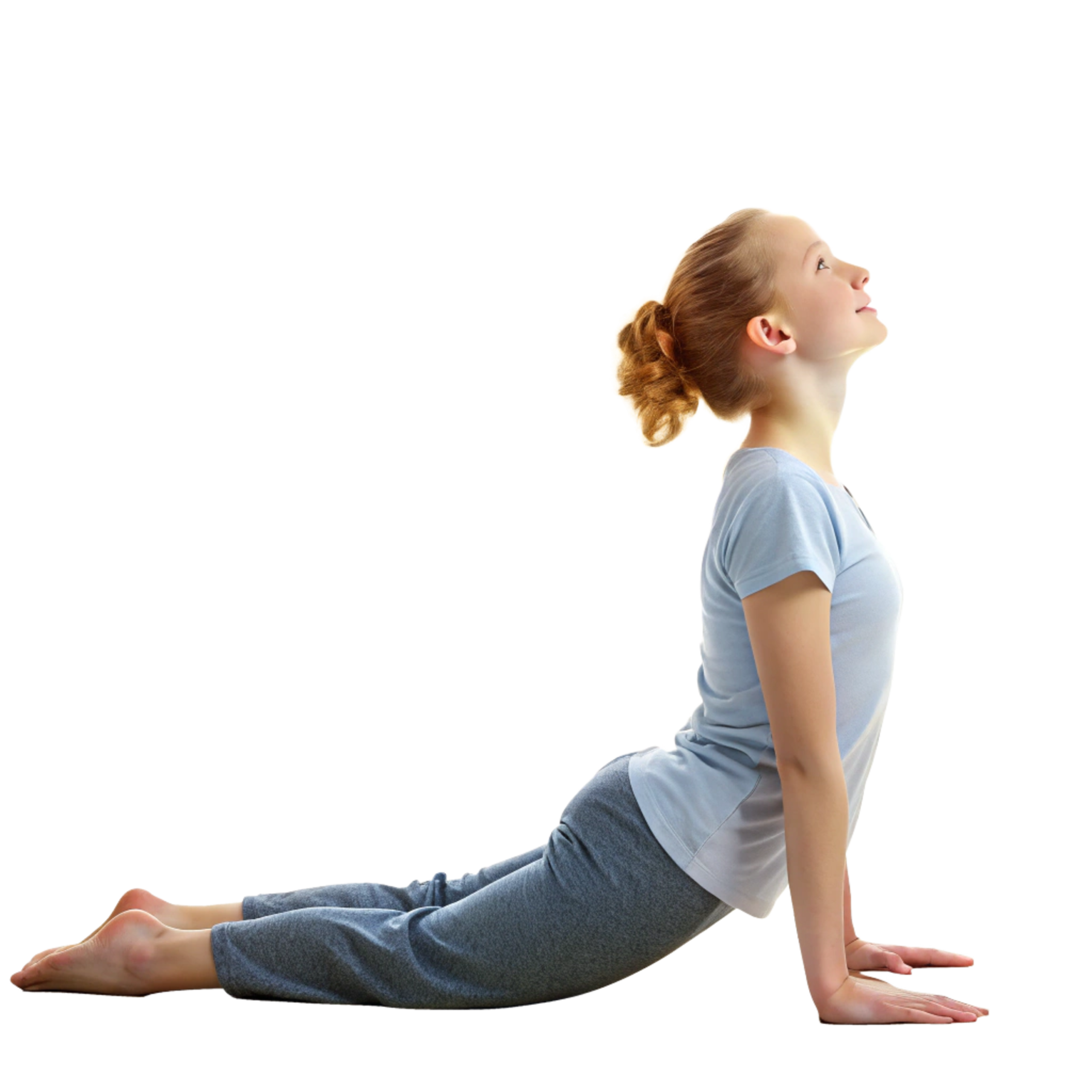
Cobra Pose
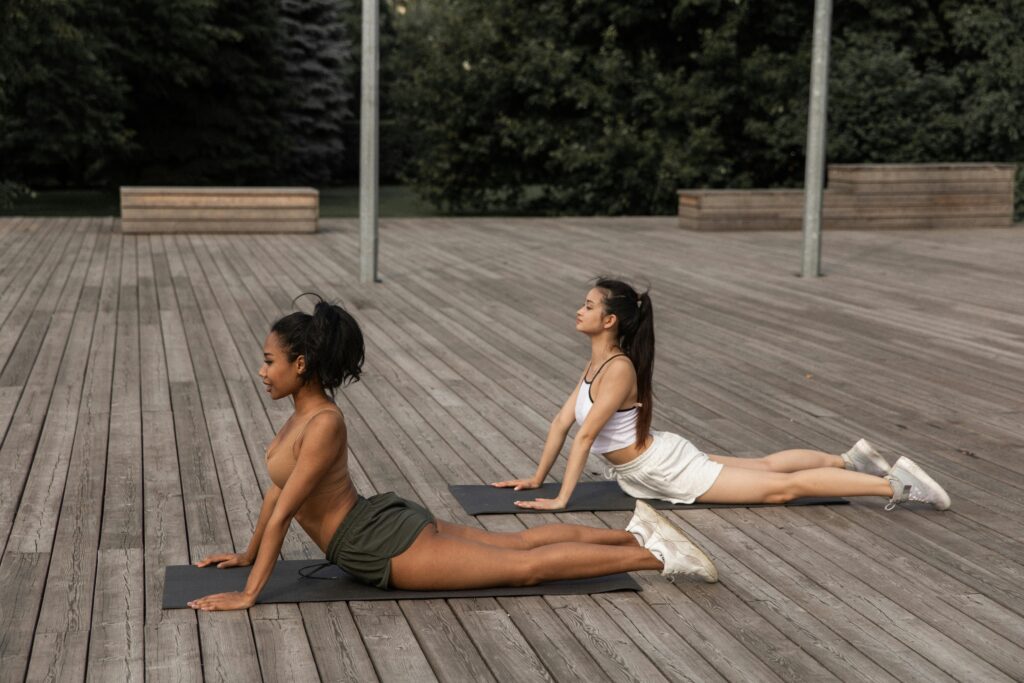
Strengthens the back and improves posture.
Bridge Pose
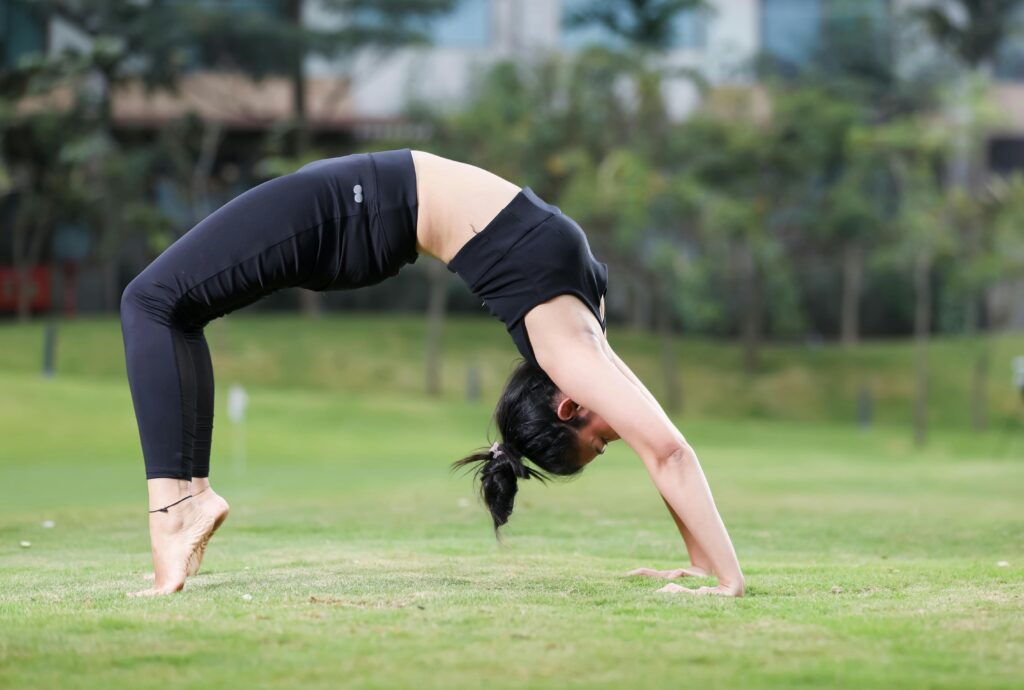
Activates glutes and core gently.
Modifying Poses Safely
- Bend knees when needed
- Use a wall or chair
- Reduce hold time
Yoga for beginners at home should never feel painful.
If you’d like help adjusting poses or building a beginner-safe routine based on your flexibility and strength level, feel free to get in touch for personalized support.
Common Beginner Mistakes to Avoid
Avoiding these mistakes helps prevent injury and frustration.
Skipping Warm-Ups
Cold muscles increase injury risk.
Pushing Too Hard
Discomfort is okay. Pain is not.
Comparing Progress
Everyone’s body responds differently.
How to Stay Consistent With Yoga at Home
Consistency is the real secret behind successful yoga for beginners at home.
Simple Habit-Building Tips
- Practice at the same time daily
- Keep sessions short
- Track progress visually
What to Do If You Miss a Day
- Resume the next day
- Don’t restart from zero
- Focus on progress, not perfection
Is Yoga Safe for Beginners at Home?
For most people, yoga is safe when practiced mindfully.
Safety Guidelines
- Move slowly
- Avoid sharp pain
- Stop if dizzy
If unsure, professional guidance is always helpful.
Frequently Asked Questions
How often should beginners do yoga at home?
Daily short sessions are ideal.
How long should a beginner yoga session be?
10–20 minutes is enough.
Can beginners do yoga every day?
Yes, when intensity is kept gentle.
When will beginners see results from yoga?
Most people notice changes within 2–3 weeks.
Final Thoughts – Start Your 21-Day Yoga Journey Today
Yoga for beginners at home is not about perfect poses or extreme flexibility. It’s about showing up, moving gently, and building a habit that supports your body and mind.
This 21-day beginner yoga plan helps you:
- Build flexibility safely
- Improve strength naturally
- Create consistency without stress
The most important step is starting-and staying patient with yourself.If you want help starting your beginner yoga journey, customizing a 21-day plan, or getting expert guidance for practicing yoga at home safely, don’t hesitate to get in touch today.
Recent Articles