

No-Equipment Home Workout Plan: Build Strength and Burn Fat Using Only Bodyweight (Beginner to Intermediate)
Staying fit doesn’t have to mean going to a gym, buying expensive equipment, or following complicated workout programs. Many people want to exercise at home but feel stuck because they don’t have weights, machines, or much space. The good news is that a no-equipment home workout plan can help you build real strength, burn fat, and improve overall fitness using only your bodyweight.
This guide is written for complete beginners as well as those who want to move from beginner to intermediate level safely. Everything is explained step by step, using simple language and realistic routines that actually fit into everyday life. You don’t need prior fitness experience, and you don’t need to be in “great shape” to start.
By the end of this article, you’ll understand how bodyweight workouts work, how to follow a structured home workout without equipment, and how to progress over time without risking injury or burnout.
Why a No-Equipment Home Workout Plan Really Works
Many people assume that workouts without equipment are not effective. This is one of the biggest fitness myths. Bodyweight exercises use your own body as resistance, which can be surprisingly challenging when done correctly.
When you squat, push, pull, or hold your body in place, your muscles are forced to work against gravity. This builds strength, improves balance, and increases calorie burn. Research has shown that consistent bodyweight training can improve muscle endurance, functional strength, and cardiovascular fitness.
A no-equipment home workout plan works because it focuses on natural movement patterns. These movements train multiple muscle groups at the same time, making workouts efficient and practical.
Key Benefits of Bodyweight Workouts at Home
- No gym membership required
- No equipment or machines needed
- Can be done in small spaces
- Beginner-friendly and easy to modify
- Supports fat loss and muscle strength together
This approach is ideal for anyone who wants results without unnecessary complexity.
Who This No-Equipment Home Workout Plan Is Designed For
This plan is intentionally built to support a wide range of people, especially those who feel overwhelmed by traditional fitness programs.
This Plan Is Perfect If You
- Are new to working out
- Haven’t exercised in a long time
- Want a simple home workout without equipment
- Have limited space or time
- Want to lose fat and build strength together
You don’t need to be athletic. You don’t need perfect form on day one. What matters is consistency and following a plan that grows with you.
What You Need Before You Start (Very Simple Setup)
One of the biggest advantages of a home workout without equipment is how little preparation is required.
Basic Requirements
- Comfortable clothes
- A flat surface (floor or mat)
- A small clear area
- Water to stay hydrated
That’s it. No dumbbells. No resistance bands. No machines.
Before starting, take a moment to mentally commit to showing up regularly. Even short workouts done consistently can produce noticeable results over time.
Safety First – Important Tips for Beginners
Safety is essential, especially if you’re starting from scratch. Bodyweight workouts are safe when done properly, but rushing or ignoring form can lead to injury.
Beginner Safety Guidelines
- Always warm up before exercising
- Move slowly and with control
- Focus on proper form, not speed
- Rest when needed
- Stop if you feel sharp pain or dizziness
Why Warming Up Matters
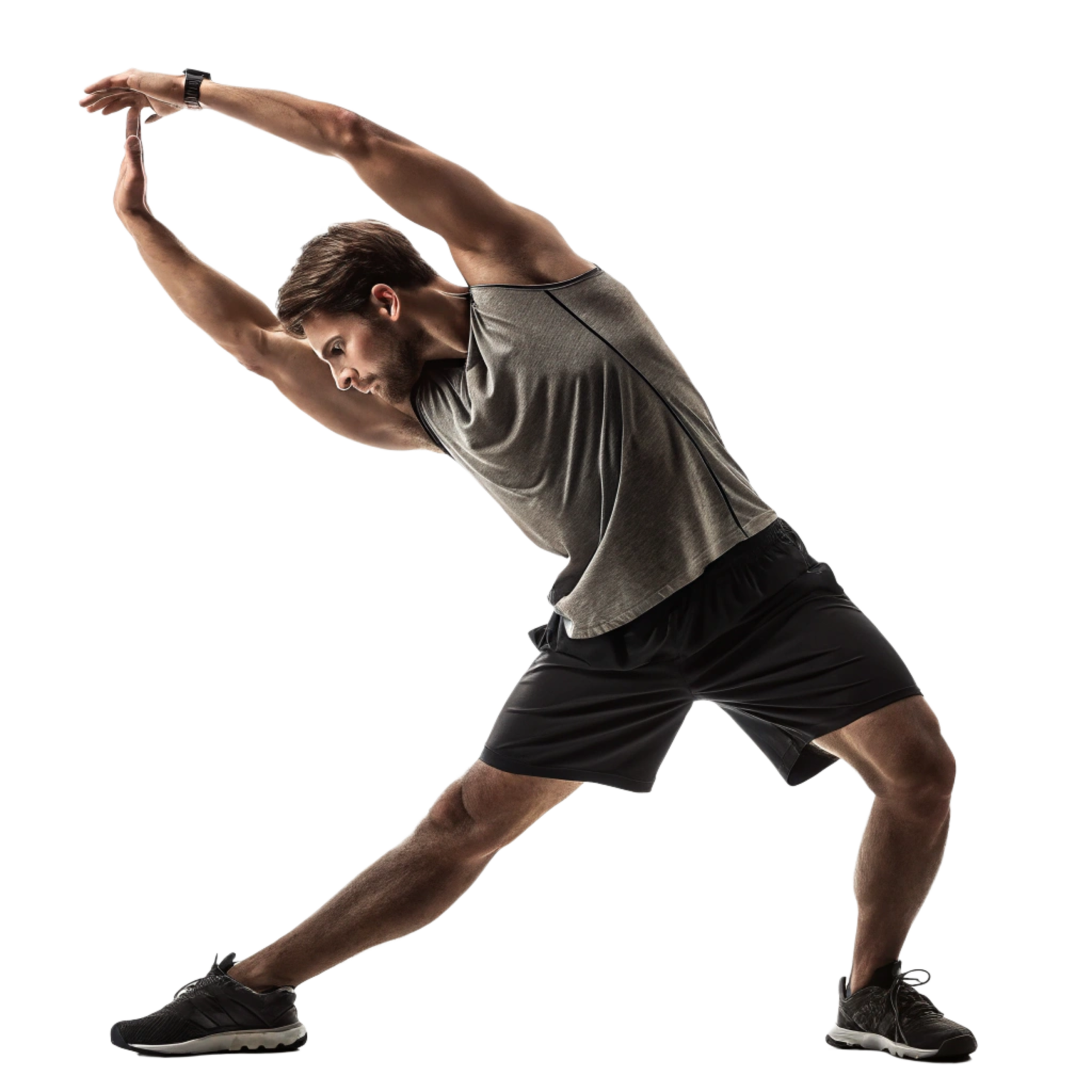
A warm-up prepares your muscles and joints for movement. It increases blood flow and reduces injury risk. A simple warm-up can include marching in place, arm circles, and gentle squats for 3–5 minutes.
How Bodyweight Workouts Help Burn Fat and Build Strength
Fat loss and strength building often happen together when workouts are structured correctly. A no-equipment home workout plan typically includes full-body movements that raise your heart rate while challenging your muscles.
Strength training increases muscle mass, which helps your body burn more calories even at rest. At the same time, moving your body through repeated exercises increases calorie burn during the workout.
Why Full-Body Workouts Are Effective
- Work multiple muscle groups at once
- Burn more calories per session
- Save time
- Improve coordination and balance
This combination is especially helpful for beginners.
Beginner No-Equipment Home Workout Plan (Weeks 1–2)
The first two weeks are about learning movement, building confidence, and creating a routine. The goal is not to push hard, but to move consistently.
Beginner Workout Goals
- Learn basic bodyweight movements
- Improve mobility and balance
- Avoid excessive soreness
- Build a habit
Beginner Full-Body Workout Routine
Perform the following exercises in order. Rest as needed between movements.
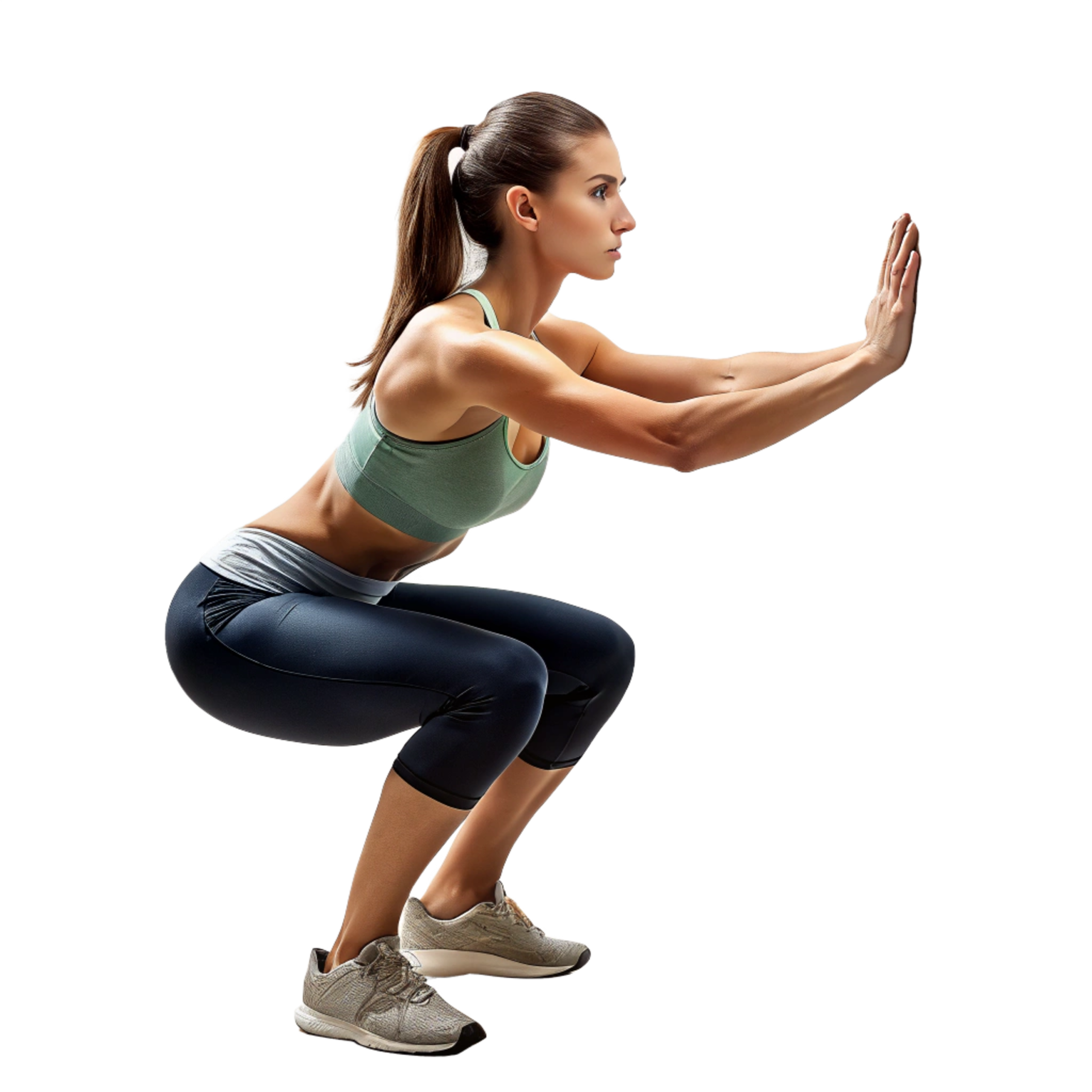
Bodyweight Squats
Squats work your legs and core. Stand with feet shoulder-width apart, lower your body as if sitting back into a chair, then stand up.
Wall or Knee Push-Ups
These strengthen the chest, shoulders, and arms. Modify by using a wall or knees to reduce difficulty.
Standing Lunges
Step forward, lower your body, and return to standing. Alternate legs slowly.
Plank Hold
Hold your body in a straight line using your forearms and toes or knees.
Marching in Place
Lift your knees one at a time to keep your heart rate up.
Beginner Weekly Schedule
- 3–4 workout days per week
- 15–20 minutes per session
- At least one rest day between workouts
Get in touch to download the printable beginner workout PDF to follow this plan step by step and track your progress.
How to Know When You’re Ready to Progress
After a couple of weeks, your body will start adapting. Progression is important to continue seeing results.
Signs You’re Ready to Level Up
- Exercises feel easier
- You recover faster
- You can complete workouts without excessive fatigue
Progression doesn’t mean rushing. It means making small adjustments.
Intermediate No-Equipment Home Workout Plan (Weeks 3–6)
The intermediate phase builds on the foundation you’ve already created. Workouts become slightly longer and more challenging.
Intermediate Workout Goals
- Increase strength and endurance
- Burn more calories
- Improve overall fitness
Intermediate Full-Body Workout Routine
Standard Push-Ups
Performed on toes instead of knees for added challenge.
Squats with Pulse
Pause briefly at the bottom of the squat to increase muscle engagement.
Reverse Lunges
Step backward instead of forward to improve balance and reduce joint stress.
Mountain Climbers
Increase heart rate while engaging core muscles.
Plank Variations
Side planks or plank shoulder taps add intensity.
Intermediate Weekly Schedule
- 4–5 workout days per week
- 25–30 minutes per session
- Include at least one rest or active recovery day
How to Burn More Fat With Home Workouts Without Equipment
Fat loss is influenced by consistency, effort, and daily habits. While workouts are important, how you move throughout the day matters too.
Fat-Burning Tips
- Keep rest periods short
- Focus on full-body movements
- Stay consistent week to week
- Combine workouts with daily walking
A no-equipment home workout plan works best when paired with regular movement.
Simple Nutrition Tips to Support Your Home Workout Plan
You don’t need a strict diet to support bodyweight workouts. Simple, balanced eating habits go a long way.
Beginner-Friendly Nutrition Guidelines
- Eat balanced meals with protein, carbs, and fats
- Drink enough water
- Avoid extreme calorie restriction
- Focus on consistency, not perfection
Food supports recovery and energy, making workouts feel easier over time.
Common Mistakes to Avoid With No-Equipment Workouts
Avoiding common mistakes can save time and prevent frustration.
Frequent Beginner Errors
- Skipping warm-ups
- Doing too much too soon
- Ignoring rest days
- Focusing only on speed
Progress comes from controlled, consistent effort.
How to Stay Consistent With a Home Workout Without Equipment
Consistency is the most important factor in any fitness plan.
Practical Consistency Tips
- Schedule workouts like appointments
- Keep workouts short and realistic
- Track progress weekly
- Focus on habit, not motivation
Small daily actions lead to long-term results.
Frequently Asked Questions (FAQ Section)
Can beginners really build strength with bodyweight workouts?
Yes. Bodyweight exercises build functional strength and improve muscle endurance when done consistently.
How long before I see results?
Most people notice improved energy and strength within 2–4 weeks.
Are home workouts without equipment effective for fat loss?
Yes. When combined with regular movement and balanced eating, they can support steady fat loss.
How many days a week should I follow this plan?
Beginners should start with 3–4 days per week, increasing gradually.
What if I miss a workout?
Missing a day is normal. Simply resume the plan without guilt.
Long-Term Benefits of Following a No-Equipment Home Workout Plan
Over time, consistent bodyweight training improves strength, mobility, posture, and confidence. It also builds a sustainable fitness habit that doesn’t depend on external factors.
The simplicity of a home workout without equipment makes it easier to maintain for the long term.
Final Thoughts – Start Where You Are and Stay Consistent
You don’t need a gym or expensive tools to get fit. A structured no-equipment home workout plan can help you build strength, burn fat, and feel healthier over time.
Start at the beginner level, move at your own pace, and focus on showing up regularly. Progress will follow.If you’d like personalized guidance, structured support, or help building a routine that fits your lifestyle, visit our Get in Touch page and take the next step toward a stronger, healthier you.
Recent Articles